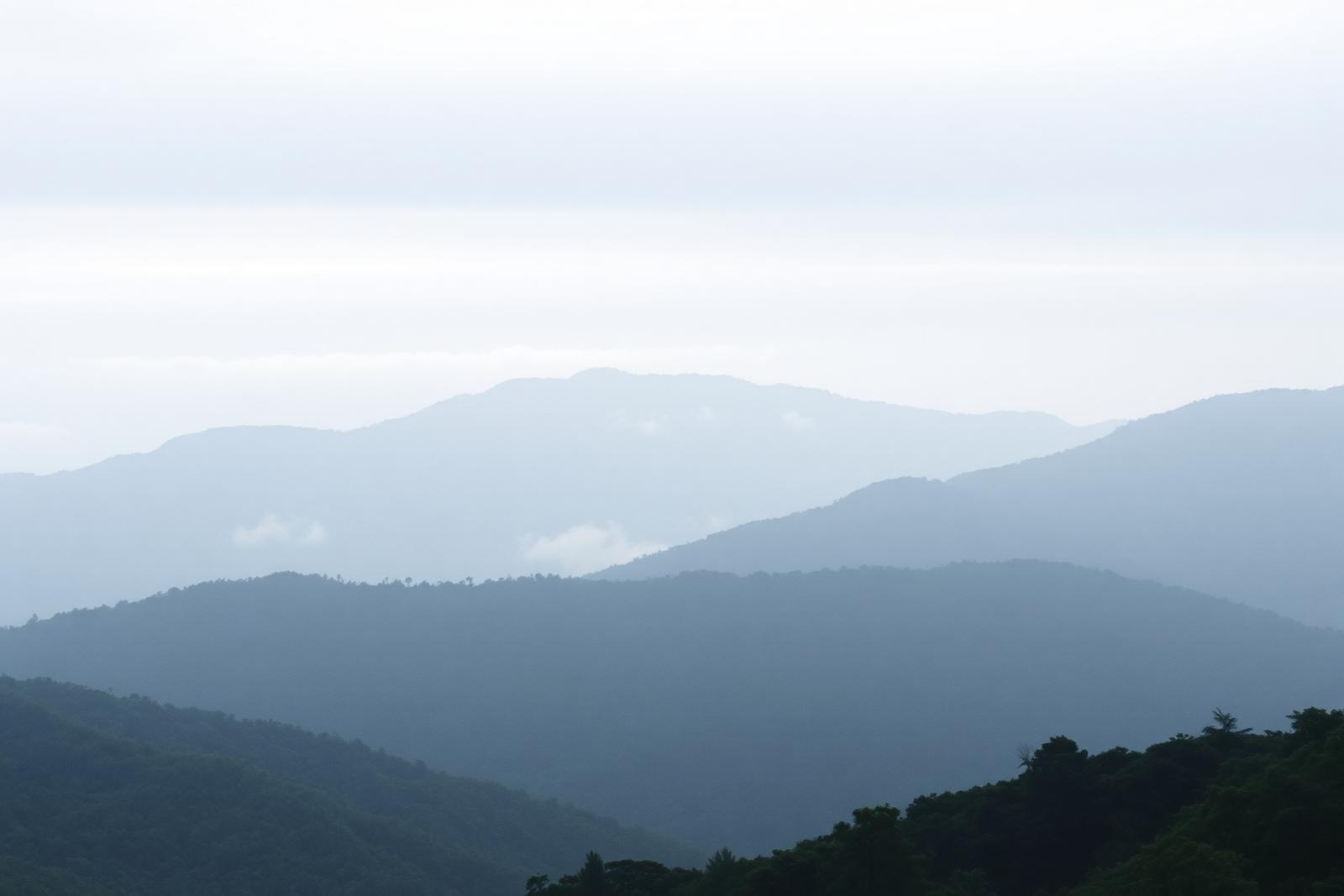
The quarry is small, and it does not advertise. It sits at the end of a dirt road above a river valley in Guanacaste, and the men who work it have been working it for three generations.
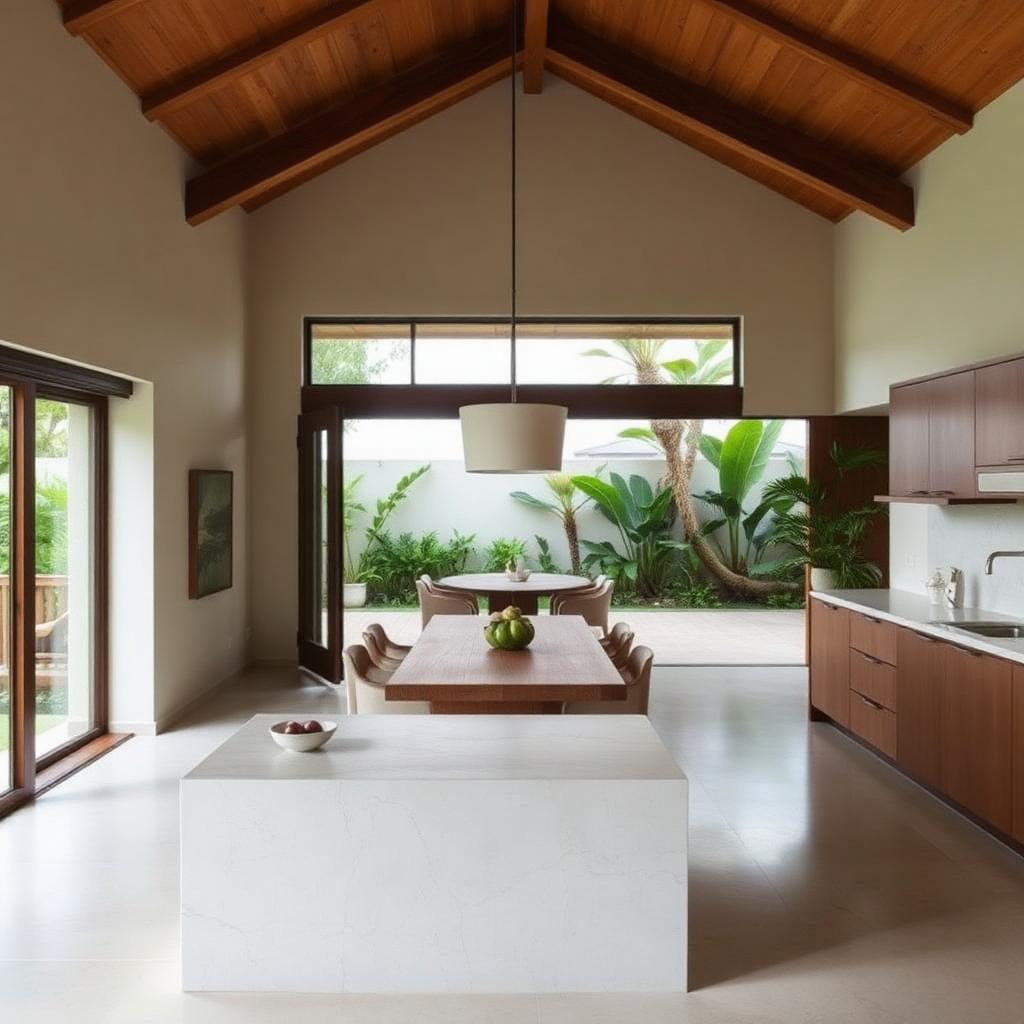
We visit twice a year. The stone we specify most often — a pale limestone with a very fine grain and a slight warmth — comes from a single face of a single seam here, and each residence receives its portion in the order it was drawn.
I — The seam
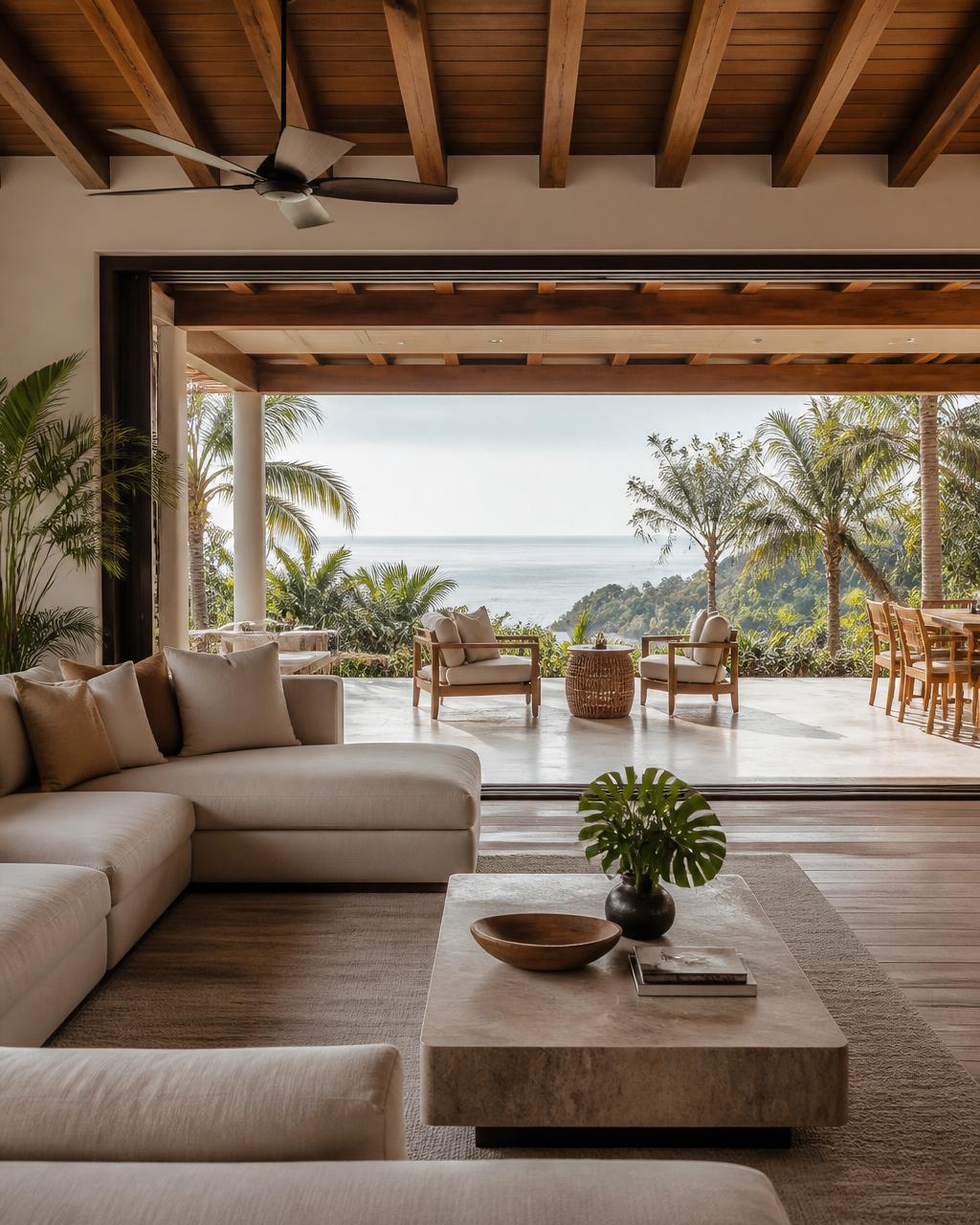
Limestone reads differently depending on how it is cut. The pieces we favour are cross-cut rather than vein-cut, which produces a quieter surface. The stone is then honed, not polished, so it absorbs light rather than reflecting it.

“A material becomes a house's atmosphere long before it becomes its surface.”
Threshold
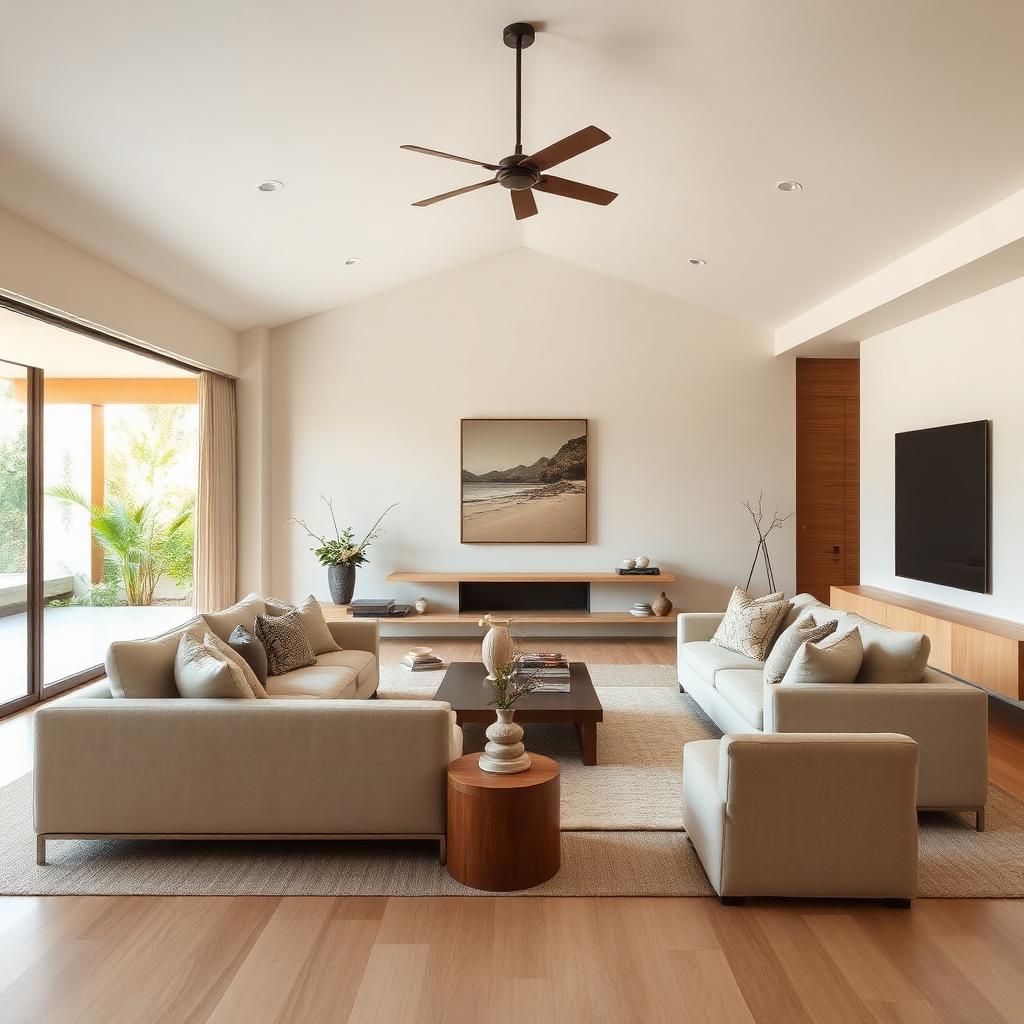
The reason we return to a single stone is not sentiment. It is that the material has become part of how the studio thinks. We know how it meets oak, how it meets brass, how it meets water at a shower drain and how it accepts the salt air of a beachfront residence over a decade.