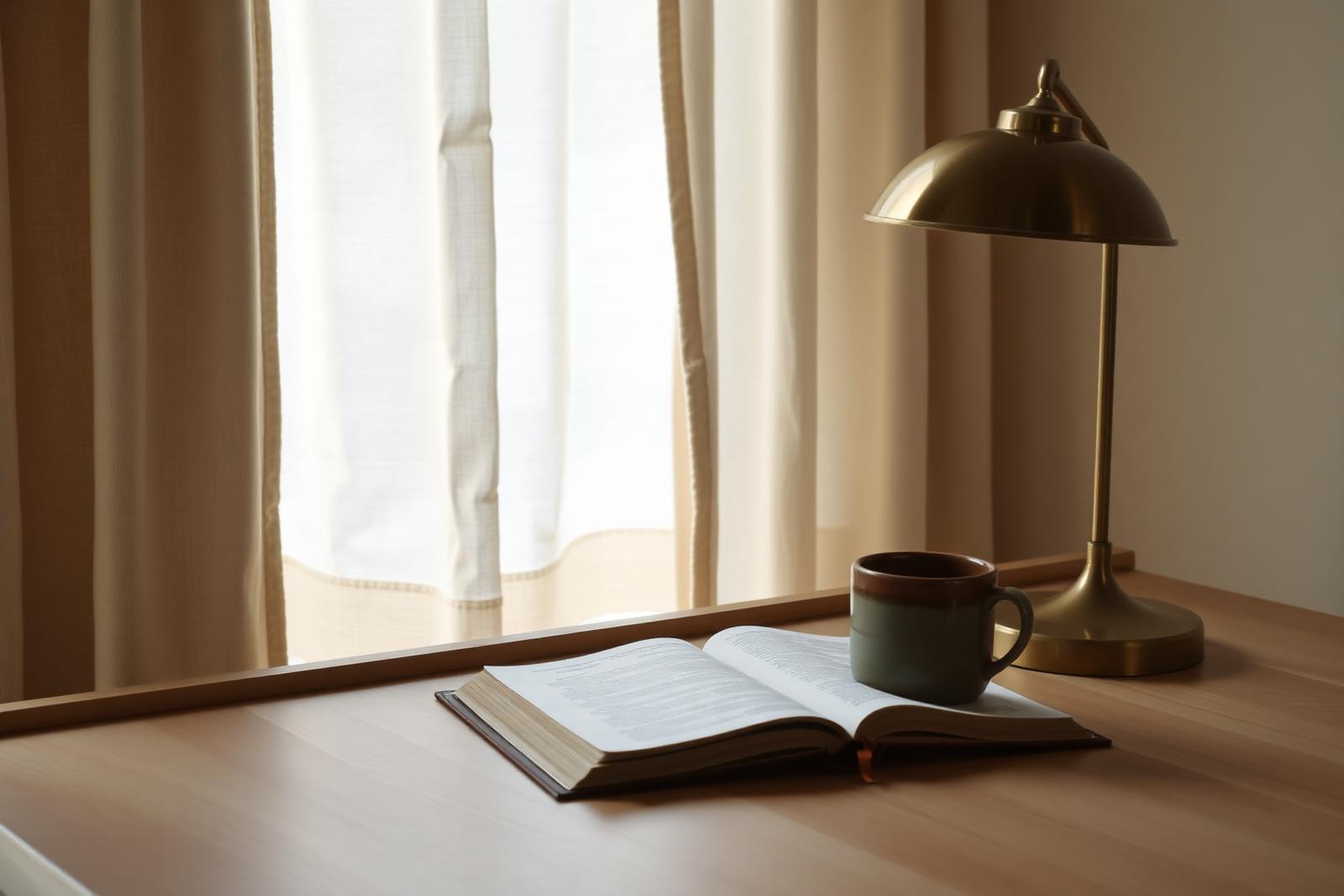
There is a particular quality to a house that has been drawn without hurry. It is difficult to name at first — one notices it before one can describe it — and it has almost nothing to do with size, or budget, or the fashion of a given decade.
The residences we return to, again and again, share a small set of decisions that were made early and were allowed to remain. A doorway placed to receive the morning. A room proportioned around the way light falls in October, not April. A stair whose landing is wide enough for someone to stop, and think, before continuing.
I — A house is not a schedule
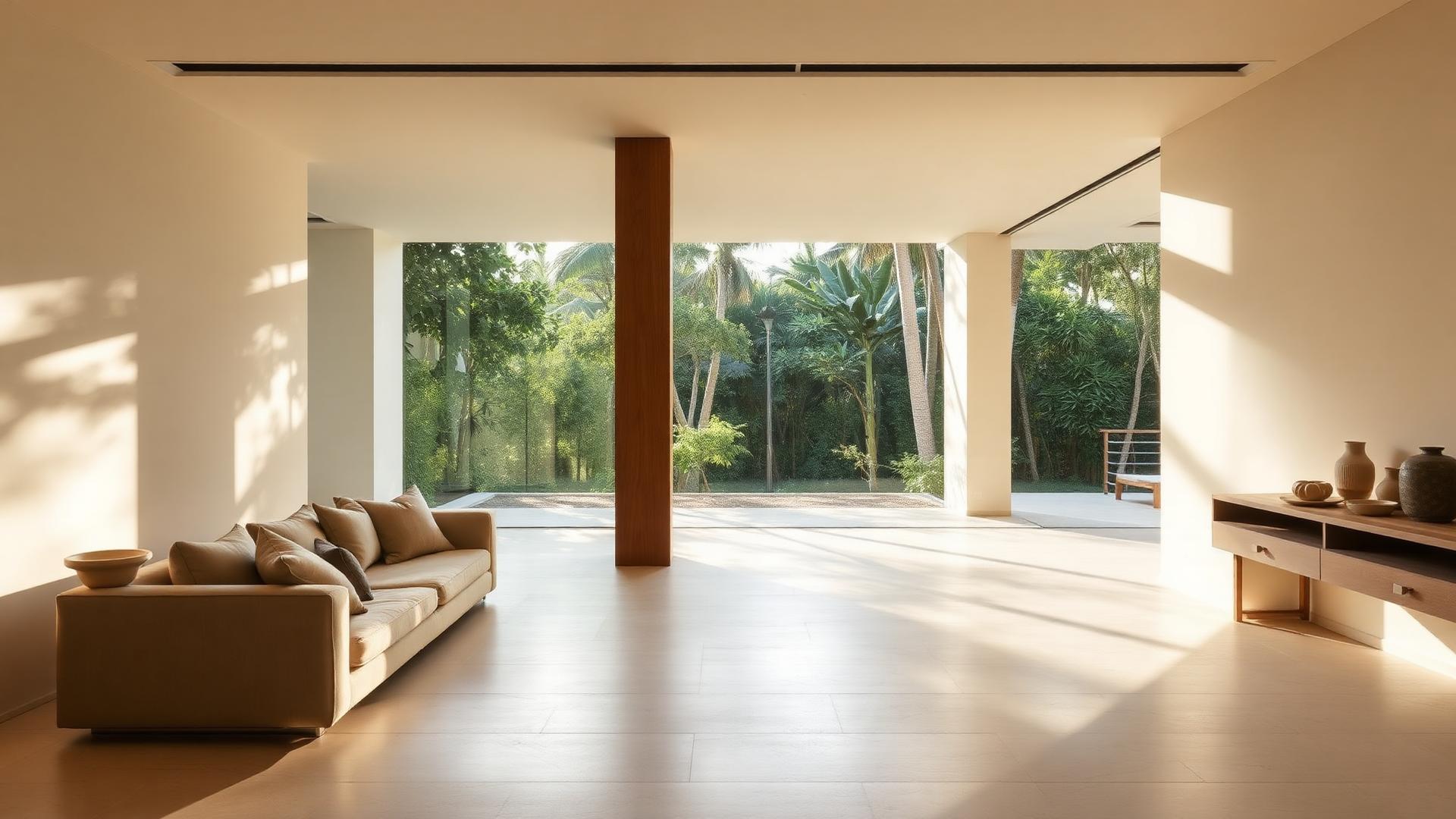
Speed, in domestic architecture, produces a specific kind of thinness. Walls that meet at the wrong height. Windows sized for a plan rather than for a view. Kitchens that make sense in a rendering and not on a Tuesday afternoon.
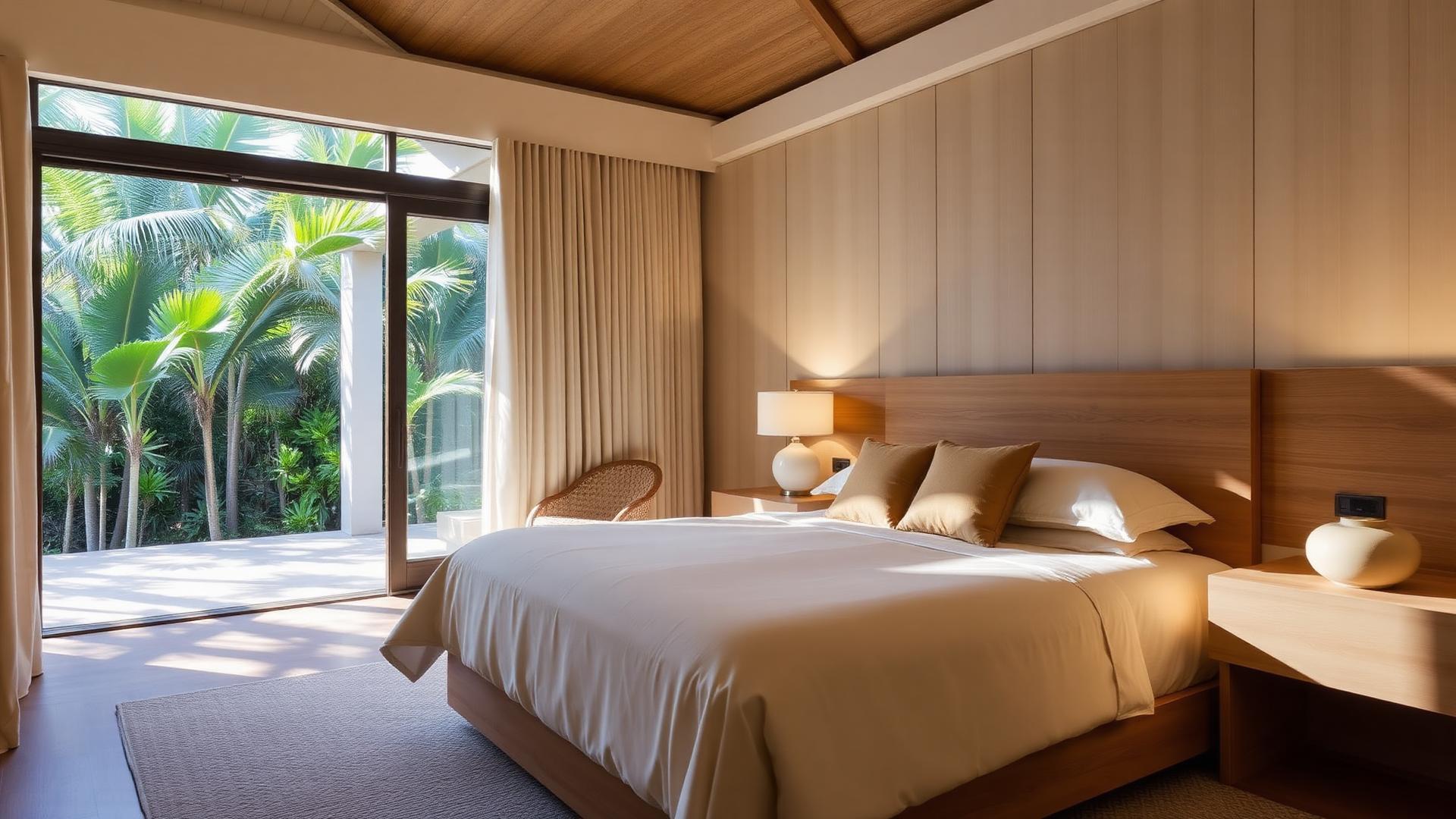
“The houses that reward slowness were, almost without exception, drawn by people who were willing to keep drawing.”
What ages well
Materials with a memory — limestone honed by hand, unlacquered brass, oak that was quartered rather than sawn — do not require a particular era to remain legible. They arrive already older than the house that receives them, and they continue to age at their own pace once installed.
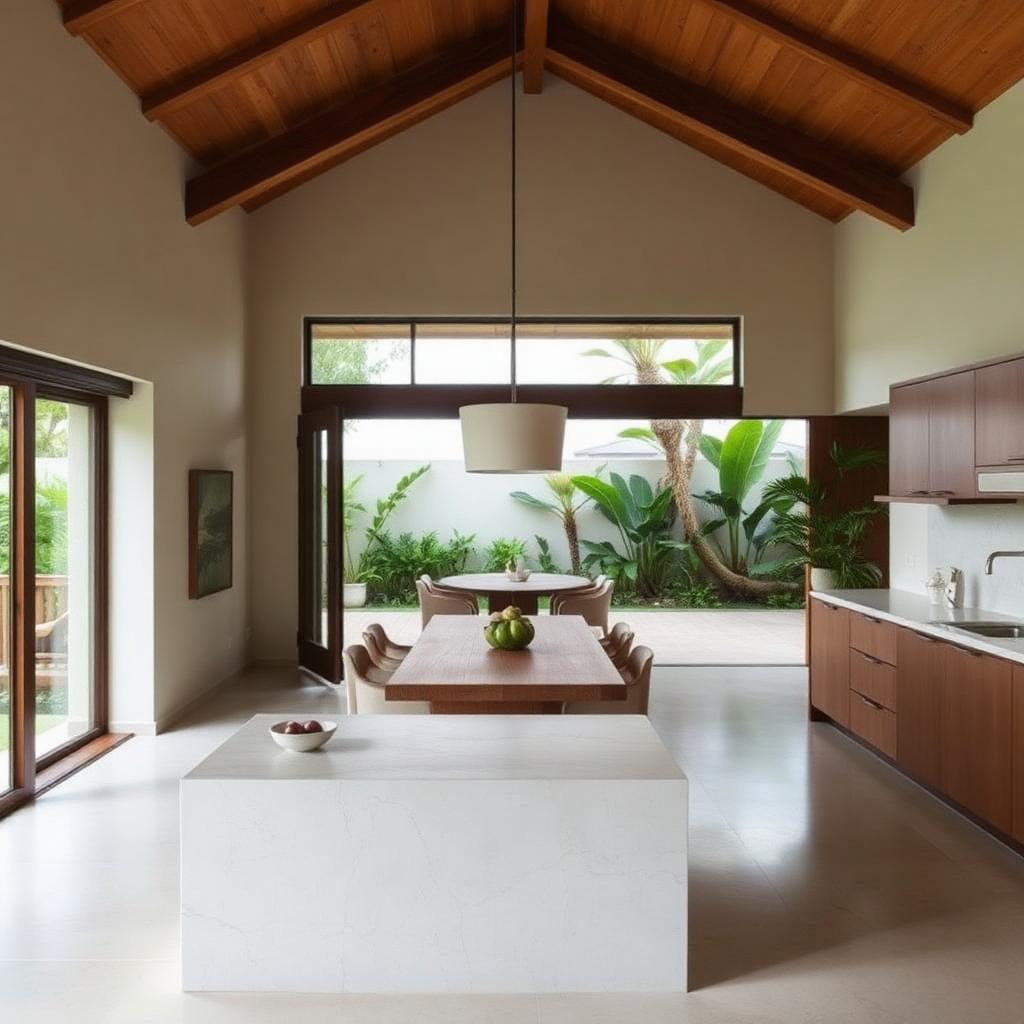
The residences we admire most tend to use very few materials, and to use them completely. A single stone at every threshold. One family of oak throughout. A palette of plasters that changes register but not lineage.
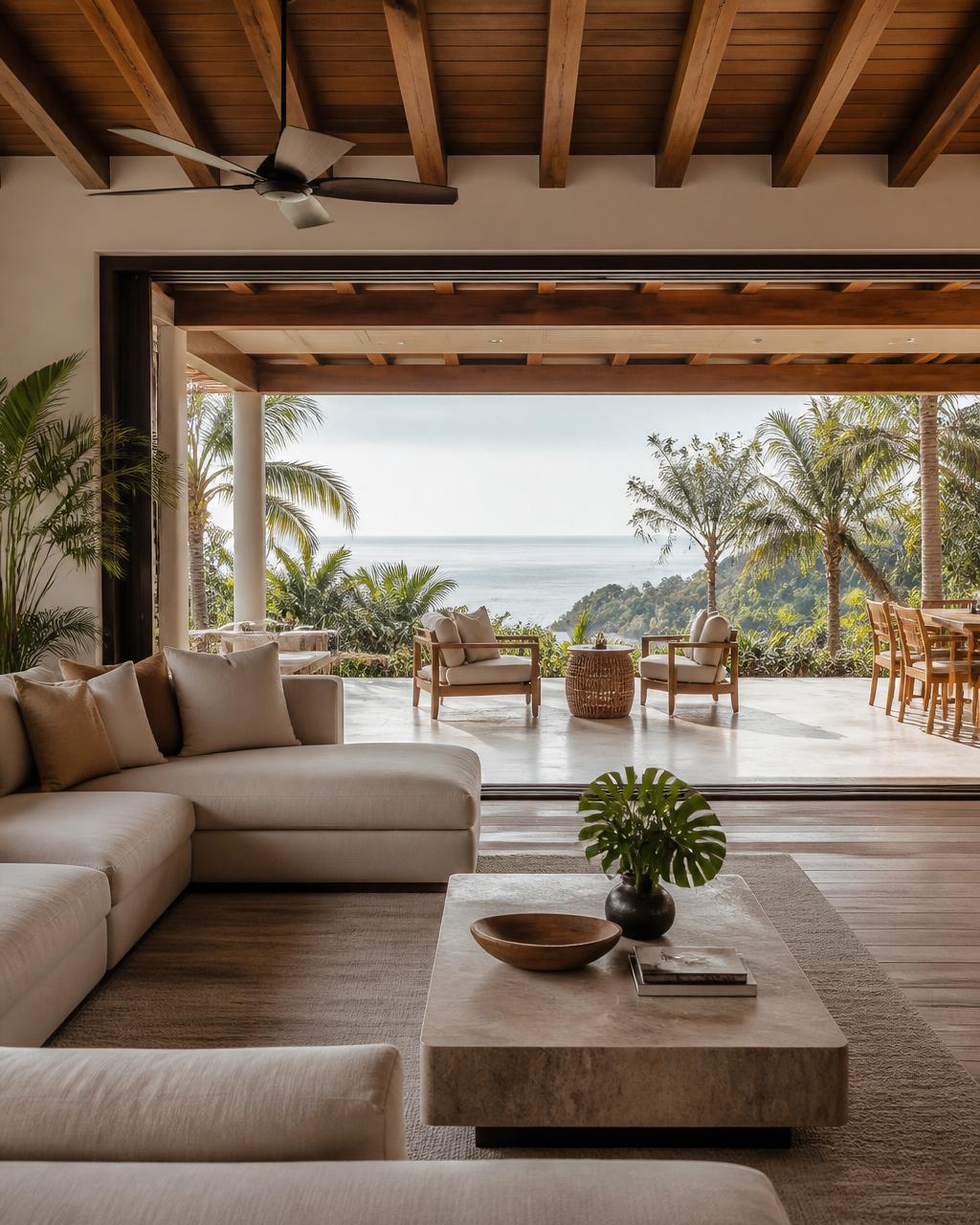
II — The reward
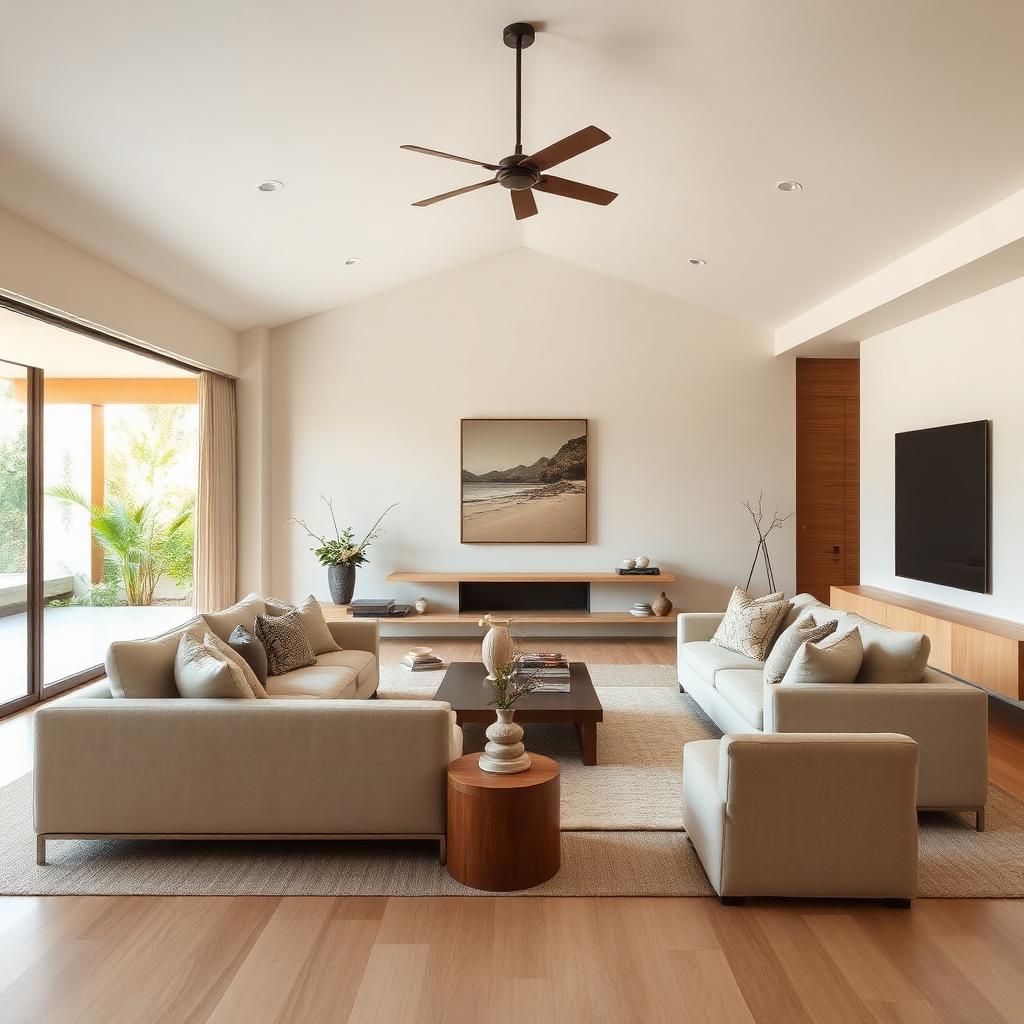
A house drawn slowly repays its owners in a currency that is difficult to describe and impossible to purchase later. It is the room one lingers in without noticing. The corner one passes without correcting. The morning that begins without friction.

This is the register of the residences DR Housing represents. There are very few of them, and there are meant to be.